State-Owned Enterprise Solution
An integrated platform connecting group governance, industrial collaboration, and production operations
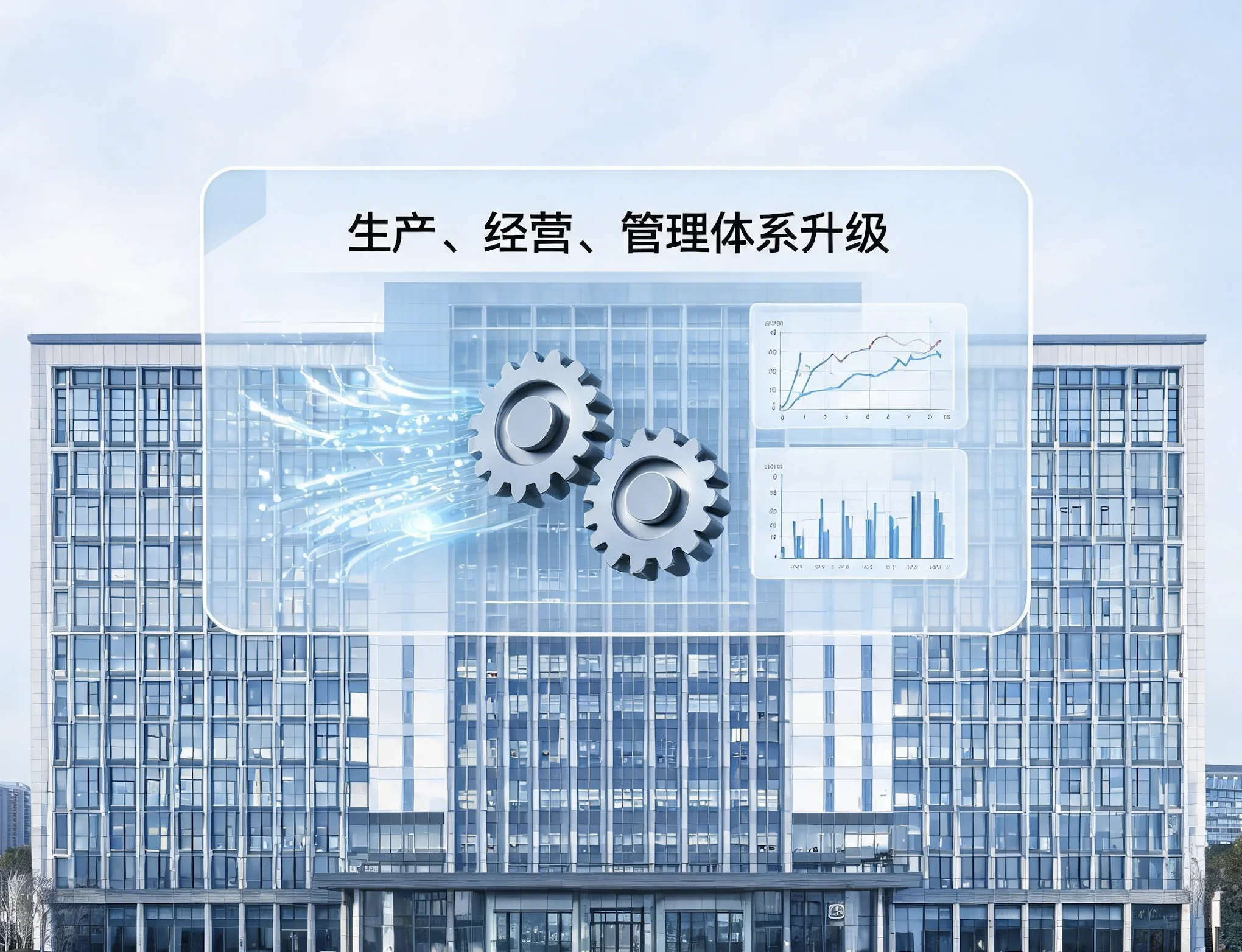
Connect production, operations, and management so group-wide performance is grounded in evidence.Digital transformation in a state-owned enterprise must serve group governance while reaching industry businesses and production sites. Headquarters needs visibility into strategy execution, business quality, and risk boundaries. Operating companies coordinate markets, projects, and resources. Plants and parks depend on stable equipment, processes, plans, and safety. These layers have different priorities, yet they require shared definitions, accountable ownership, and a coherent operating model.
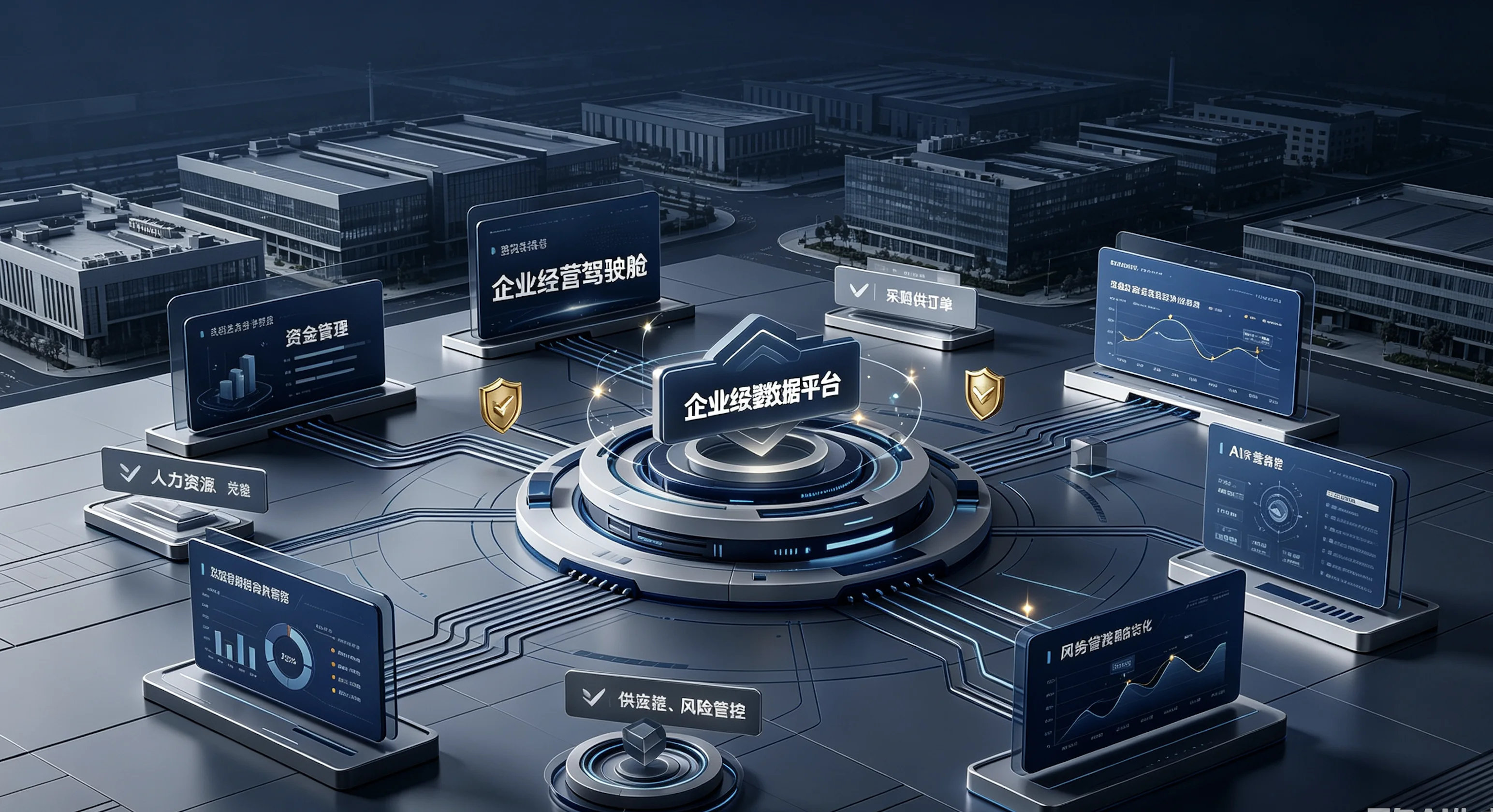
Qukai's solution places a governed group data and intelligence platform at the center. It connects downward to equipment, production systems, and specialist operations while supporting upward analysis, resource coordination, and risk assessment. Existing core systems remain in place. Standard integration, master data, shared metrics, collaborative workflows, and intelligent applications progressively create an enterprise capability system spanning production, business, and management.
Designed for
- Group headquarters and digital management teams
- Industry businesses and operating subsidiaries
- Plants, industrial parks, and operations centers
Core goals
- Create group-wide data and metric consistency
- Connect critical production and business workflows
- Operate a governed and sustainable intelligence platform
Business challenges
Move from isolated systems to continuous coordination
Build an integrated data and intelligence platform for group headquarters, industry businesses, and production units, supporting production coordination, operational analysis, risk governance, and industrial collaboration through a consistently governed foundation.Group companies interpret the same data differently
A business indicator may use different definitions, periods, and levels of detail across subsidiaries. After manual consolidation, headquarters receives a delayed result without a reliable path from the number to source transactions, operating context, and accountable owners.
Production reality and business management are disconnected
Equipment, production plans, quality, energy, and safety remain in specialist systems, while management relies on finance, procurement, and project platforms. Without relationships between them, leaders cannot quickly understand how field changes affect delivery, cost, and business commitments.
Industrial collaboration crosses complex organizational boundaries
Procurement, supply chains, capital projects, asset operations, and coordinated production involve several legal entities and external partners. Workflows and documents travel through systems, email, and offline files, making status, version ownership, and risk difficult to keep aligned.
Platforms require governance after initial construction
Standards, interfaces, metrics, models, and applications evolve with organization and business. Without platform operations, new silos and duplicate delivery continue to appear, while intelligent pilots struggle to become dependable everyday capabilities.
Solution architecture
An integrated digital architecture from the field to group operations

Industrial connectivity and enterprise data governance form the foundation. Equipment, control systems, production execution, and park infrastructure connect at the field level. Procurement, supply chain, projects, assets, workforce, and finance connect across the business. Group metrics, operational analysis, risk signals, and intelligent assistance are delivered above them.
Shared master data, metric semantics, interface catalogs, and access policies maintain enterprise consistency while each industry business retains its specialist models. Headquarters sees the state of critical operations, business units reuse common capabilities, and production changes feed plans and management workflows with less delay.
Five-layer capability architecture
Industrial connectivity layer
Equipment, lines, control systems, and park infrastructure provide governed and stable field data.
Enterprise data layer
Master data, transactions, metrics, and documents are governed with consistent definitions and tiered authorization.
Business collaboration layer
Planning, procurement, production, quality, projects, assets, and supply chains connect through critical operating processes.
Intelligent operations layer
Operational analysis, risk identification, knowledge assistance, forecasting, and task coordination support decisions and action.
Platform governance layer
Interfaces, access, quality, models, application releases, and service operations are managed as long-lived enterprise assets.
Core scenarios
Organize intelligence around real operational journeys
Core Scenario One
Industrial internet and production collaboration
Equipment, production plans, process quality, energy, and supply-chain nodes form an operating chain from field sensing to coordinated scheduling.- Current challenge
- Field protocols and collection methods vary, while equipment status and production tasks remain in separate specialist systems. When an exception occurs, teams use calls and spreadsheets to estimate impact. Planning, material coordination, and response records do not stay synchronized.
- Solution approach
- Edge connectivity, equipment models, and quality controls map field signals to lines, orders, products, and processes. Thematic data and event rules connect production plans, materials, quality, and equipment state into a shared operational context.
- Operating model
- Production teams monitor plan execution and equipment state as everyday work. When an exception is detected, related work orders, inventory, quality, and maintenance history are assembled so dispatch teams can coordinate adjustments and record the response.
- Expected value
- Field and management systems collaborate around the same business objects. The impact of change is understood earlier, and response experience becomes reusable rules and knowledge across sites.
Core Scenario Two
Group data and operational management
Shared master data, metrics, and access connect capital, workforce, procurement, supply chain, projects, and risk into analysis that moves from results to causes.- Current challenge
- Traditional reports pass through several consolidation layers and lose transaction detail and operating context. Units interpret definitions differently, so management meetings often debate whether numbers are trustworthy before discussing the business issue itself.
- Solution approach
- A group metric catalog and semantic model bind every indicator to source systems, calculation logic, organizational scope, and ownership. Important metrics can be explored by industry, company, project, and source transaction while preserving lineage.
- Operating model
- Management teams own definitions and analysis themes; operating companies own quality and explanations. The platform produces views aligned to governance cycles, and risk findings can become tracked actions with supporting evidence and remediation material.
- Expected value
- Group discussions start from consistent and traceable evidence. Management attention moves from report assembly toward causal analysis, resource coordination, and follow-through on agreed actions.
Core Scenario Three
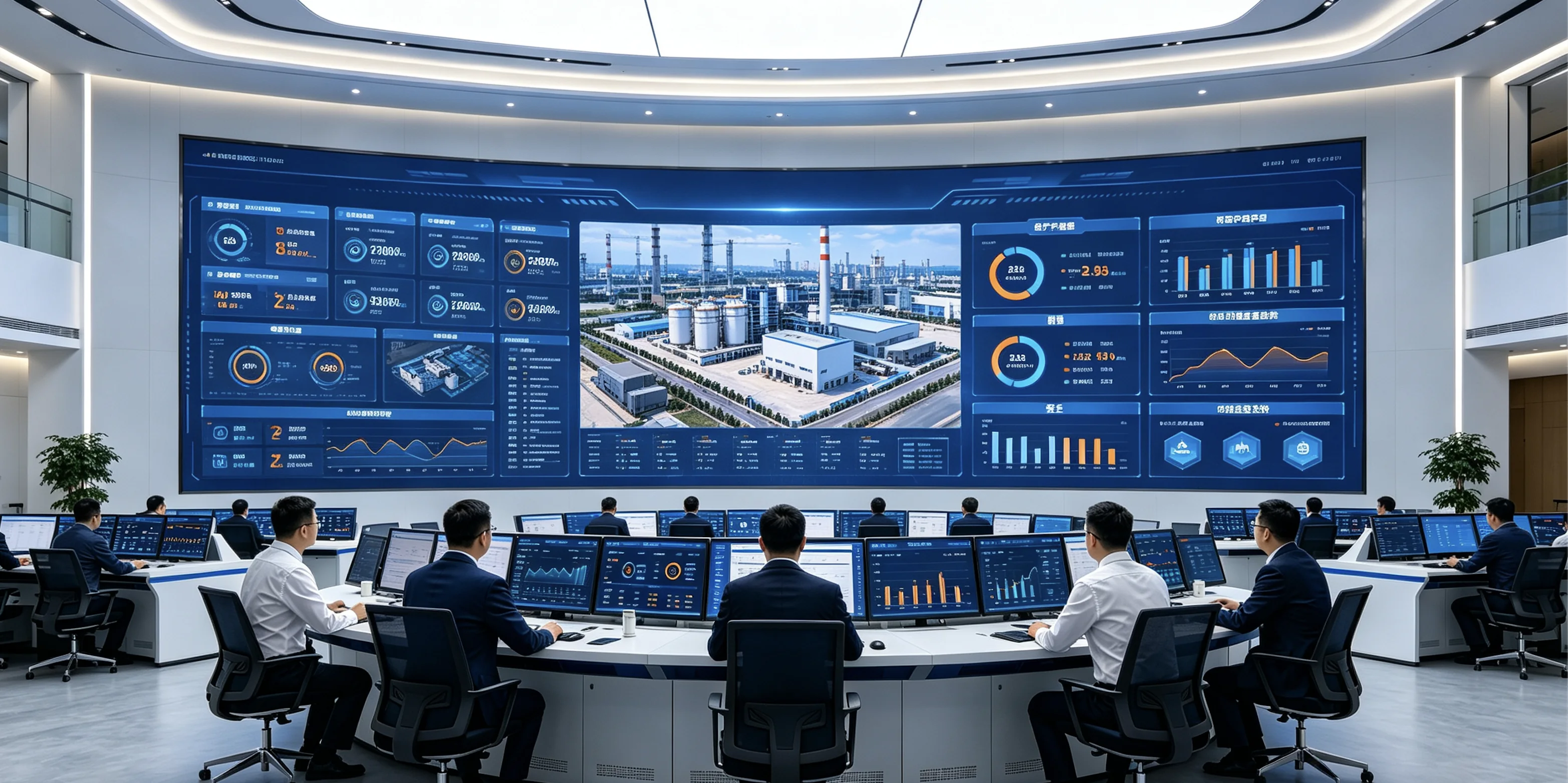
Enterprise operations center and integrated assessment
Production, business, projects, energy, supply chain, and risk are organized into layered operating views for enterprise awareness, focused analysis, and coordinated response.- Current challenge
- An operations center can remain a presentation layer: the screen contains many charts but lacks indicator ownership, explanations, and follow-up actions. Leaders find an issue, then leave the platform to locate responsible units and track outcomes manually.
- Solution approach
- Operating themes are designed around management objectives, linking metrics, incidents, tasks, and knowledge. Enterprise-wide conditions lead into specialist analysis, while an exception can create a collaborative task that carries its data and analytical context.
- Operating model
- Duty teams maintain monitoring and review routines, specialists provide domain judgment, and leaders follow material issues and action status. Review outcomes update metric rules, alert conditions, knowledge, and business workflows to create continuous improvement.
- Expected value
- The operations center becomes an entry point for coordinated enterprise operation rather than an information display. Important change can be discovered, explained, assigned, and followed through a clearer management loop.
Delivery roadmap
Move from an operational blueprint to continuous improvement
Strategy and operating diagnosis
Assess organizational layers, critical value chains, production sites, system assets, and data foundations in the context of strategic and business priorities.
Stage deliverables- Digital current-state diagnosis
- Target architecture and scenario roadmap
Standards and platform foundation
Define master data, metrics, interfaces, identity, access, and operating standards while establishing industrial connectivity and enterprise data capabilities.
Stage deliverables- Group-wide standards
- Platform and data foundation
Joint priority-scenario pilot
Select a high-value production, analysis, or operations scenario and validate its data, workflow, application, and ownership with business teams.
Stage deliverables- Pilot scenario and applications
- Business validation and issue closure
Business rollout and system connection
Extend validated standards, components, and methods to additional units while progressively connecting upstream, downstream, and specialist systems.
Stage deliverables- Reusable components and delivery patterns
- Phased rollout and integration plan
Group operations and continuous improvement
Assign ownership for platforms, data, metrics, models, and applications, then use adoption and governance quality to drive continued evolution.
Stage deliverables- Operating organization and policies
- Improvement and release plan
Lasting value
Turn platform capabilities into lasting operational value
Consistent evidence for group operations
Definitions, sources, and ownership are explicit, allowing management analysis to move from group results to real business activity.
Production and business change stay connected
Field conditions inform planning and operational judgment, while management priorities flow through business processes into execution.
Cross-company collaboration becomes transparent
Important tasks, document versions, stage responsibility, and risk items remain visible through a shared process.
Digital capabilities scale across business units
Shared standards and platform components reduce duplicate construction while preserving the specialist needs of each industry.